Universitas Gadjah Mada EXPLORING NEW FUTURES FOR INDONESIAN OBJECTS
Dismantling Colonial Knowledge Production
and Recovering Lost Histories and Memories
  • About
  • Team
  • Updates
  • Events
  • Newsletter
  • English
    • Bahasa Indonesia
    • English
  • Home
  • Updates

Fieldwork Journey to Lombok Island: Listening to Local Voices and Aspirations

  • Updates
  • 30 September 2025, 01.04
  • Oleh : New Futures For Indonesian Objects

As the New Futures For Indonesian Objects project commenced its vital on-the-ground research processes, the team consisted of Dr. Sadiah Boonstra, Dr. Yulianti, Ayu Wulandari, and Hizkirani Jatiningrum, embarked on their first fieldwork trip to Lombok Island. This initial visit marked a significant step toward grounding the project’s vision in the lived realities, memories, and aspirations of the local communities who are community of origin of the Cakranegara-Lombok Heritage, a collection of objects known as “Lombok Treasures”. Over several days, the researchers engaged in extensive dialogues with community members, local leaders, and heritage practitioners. These conversations were not just interviews, as the team were have attentive listening sessions aimed at absorbing the diverse hopes, perspectives, stories, and concerns surrounding the Cakranegara-Lombok Heritage and the Lombok War of 1894.

Discussion with Museum Negeri Nusa Tenggara Barat

Day 1: Engaging with the State Museum of West Nusa Tenggara

The first day of the field visit to Lombok, August 14, began with a formal meeting and discussion at the State Museum of West Nusa Tenggara (Museum Negeri NTB). This session brought together the research delegation from the Past Future’s project, along with the Head of the Museum, curators, cultural facilitators, and museum staff. The discussion focused on exploring opportunities for collaboration in historical research related to Lombok’s cultural heritage. One of the main points raised was the significance of involving local communities in Lombok, particularly in relation to the historical interpretation of objects often referred to as the “Lombok Treasure”. The State Museum also offered access to its manuscript collections and historical objects, which are expected to support further stages of the research. The meeting concluded with a shared interest in building ongoing cooperation, especially in areas such as community-based knowledge collection, artifact tracing, and local engagement in heritage preservation.

Day 2: Dialogues with FPNSBL
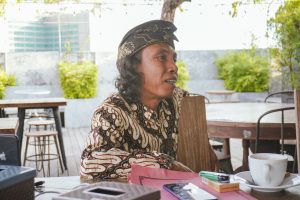
I Gusti Yoga Bagus Akasa

August 15, 2025, marked a meaningful encounter with the Forum Pelestarian Nilai Seni dan Budaya Lombok (FPNSBL) or Forum for the Preservation of Lombok’s Art and Cultural Values, represented by I Gusti Bagus Yoga Akasa or widely known in the cultural community as Yudhi Buster. Held in an informal yet focused setting, the meeting opened with a presentation from FPNSBL outlining the organization’s past and ongoing efforts in advocating for cultural heritage issues. What followed was a vibrant and in-depth dialogue. Insights were sharedd not only about the historical significance of certain sites and objects, but also about the aspirations of the community in reclaiming agency over their own heritage stories. Through this dialogue, a number of local names and historically significant locations were identified as potential entry points for deeper historical inquiry. More than just an exchange of information, the meeting laid the foundation for future collaboration.

Day 3: Listening to Stories: from the Palace to the Community
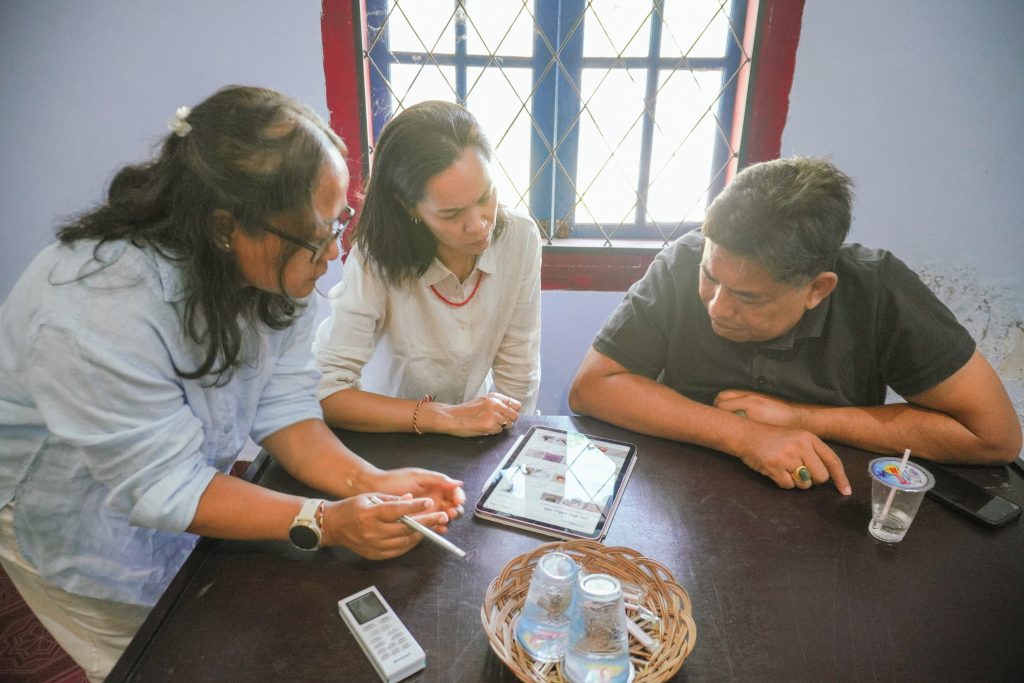
Dialogue with AA Made Jelantik Barayang Wangsa

On the morning of August 16, 2025, the fieldwork team met with Anak Agung Made Barayang Wangsa, a descendant of the Mataram royal family in Lombok. In this intimate and reflective conversation, history was not approached as distant record, but as lived memory that handed down through generations. The Cakranegara-Lombok Heritage, he explained, once played crucial roles in the kingdom’s social, religious, and political life, and still carry emotional weight within the family lineage. Importantly, Anak Agung Made also voiced a hope shared by many: that some of these objects, even if not returned permanently, could one day come home for a while. Exhibitions, he suggested, could offer a moment of reconnection, allowing the people of Lombok to see and feel the legacy that was displaced from them.
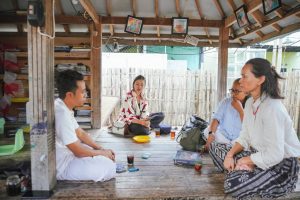
Discussion with Pasir Putih

The team then met with Pasir Putih, a vibrant local arts and culture community. The group shared their creative efforts to celebrate and preserve Lombok’s cultural traditions and expressed enthusiasm for future collaboration, such as envisioning joint exhibitions and activities that could amplify the project’s impact by weaving together academic research and community artistry. That evening, the focus turned outward to the broader community, as the team met with Lombok Heritage Science and Society (LHSS). Through educational initiatives centered on the Lombok War and its historical aftermath, LHSS has found creative ways to engage younger generations. Their approach, grounded in community-based storytelling and interdisciplinary collaboration, underscored the idea that history doesn’t only live in museums or manuscripts. LHSS also expressed hope that the New Futures For Indonesian Objects project will lead to deeper research that uncovers the rich meanings embedded in the heritage.
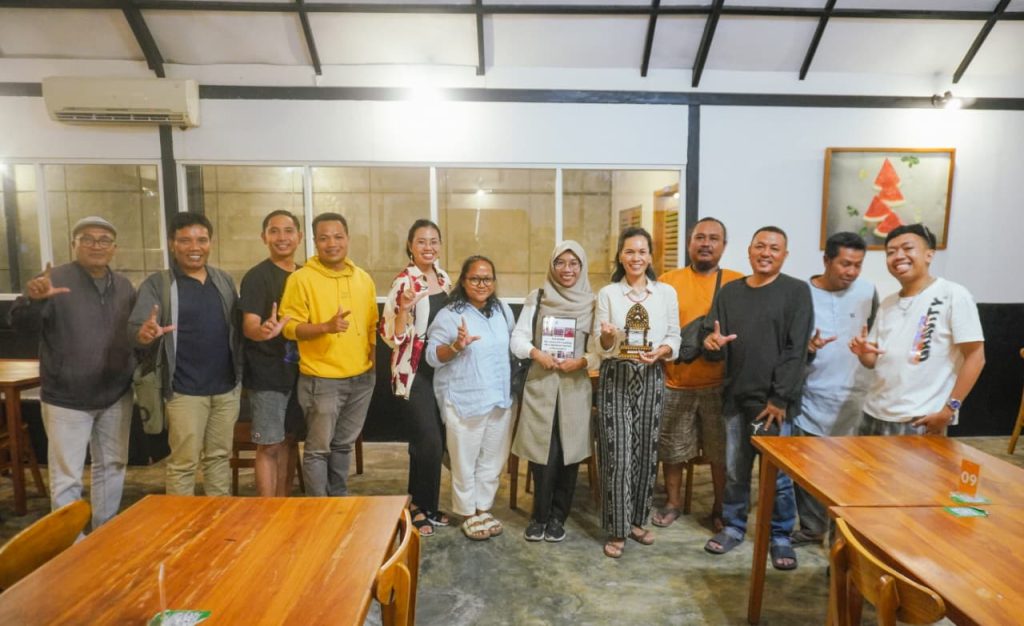
The Researchers and LHSS

Day 4 : Tracing the Footsteps of Lombok War History
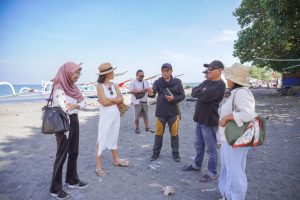
Site Visit to Ampenan

On August 17, 2025, the research team, together with members of Lombok Heritage Science and Society (LHSS), embarked on a field visit that followed the historical footsteps of the Lombok War, beginning where it all started: Ampenan. This coastal area, once a strategic landing point for Dutch colonial forces, set the stage for the conflict that would ripple across the island.
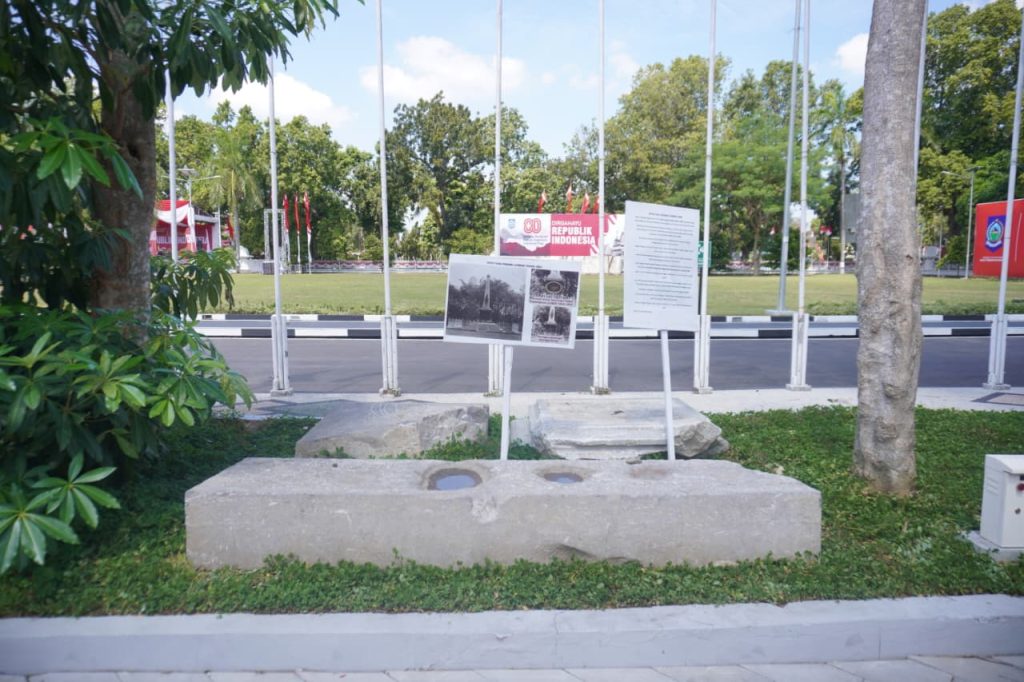
Ruins of Lombok Monument

From Ampenan, the journey moved deeper into the heart of Lombok War landscape such as Van Ham’s Grave to the ruins of Lombok Monument.  Then, one key stop was Puri Ukir Kawi, the main palace of the Mataram Kngdom. Though much of the palace now lies in ruins, the surviving walls stand as powerful reminders of its former grandeur. This site was also the source of many valuable heirlooms looted during the 1894 expedition, underscoring the deep losses suffered during that turbulent period. The visit continued to other significant locations, including Seksari and Pura Narmada. Seksari is known as the site of the Mataram’s final resistance, while Pura Narmada remains a sacred center of ritual and spiritual authority. Overall, this site visit gives an overview team how history lives on, not only through physical remains but also the stories and memories embodied with each sites. Detailed observations, photographs, and conversations gathered throughout this chronological journey will enrich the New Futures For Indonesian Objects project.
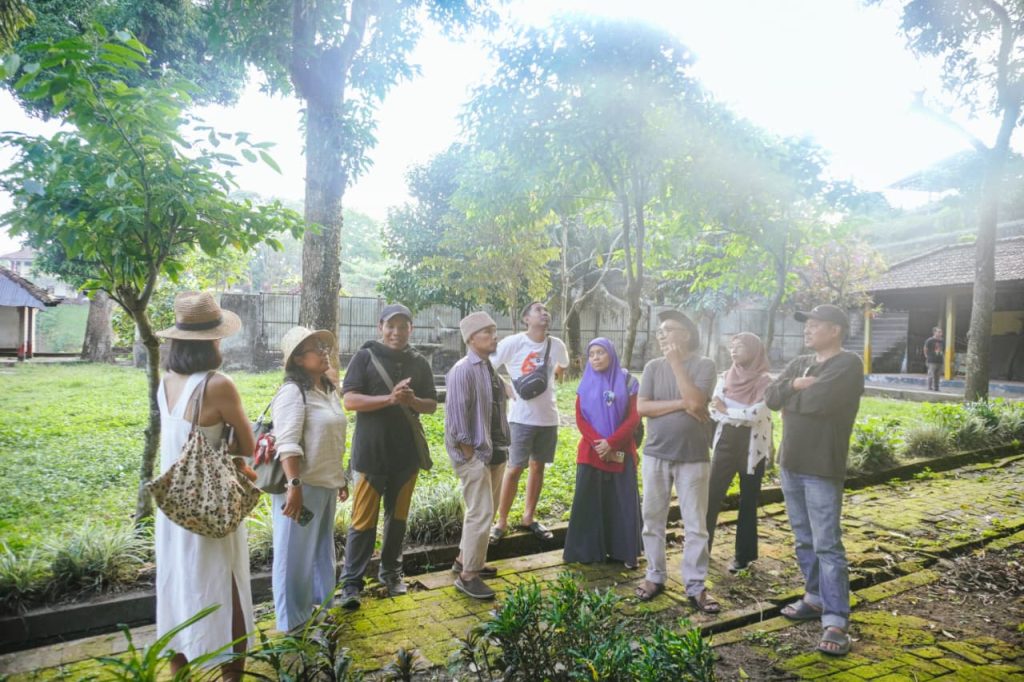
Discussion at Narmada

Day 5: Meaningful Dialogues with Puri Pajang and the Sasak Council
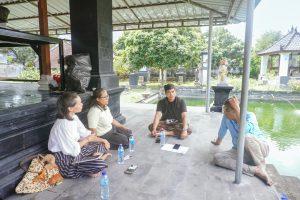
Dialogue at Puri Pajang

On August 18, 2025, the research team continued their journey by meeting with another branch of the Mataram royal family at Puri Pajang. This gathering aimed to deepen the understanding of the project by listening to diverse stories and expectations circulating within the extended royal family. The conversations revealed rich, multifaceted perspectives on the Cakranegara-Lombok Heritage and the Lombok War, adding valuable layers to the ongoing research.
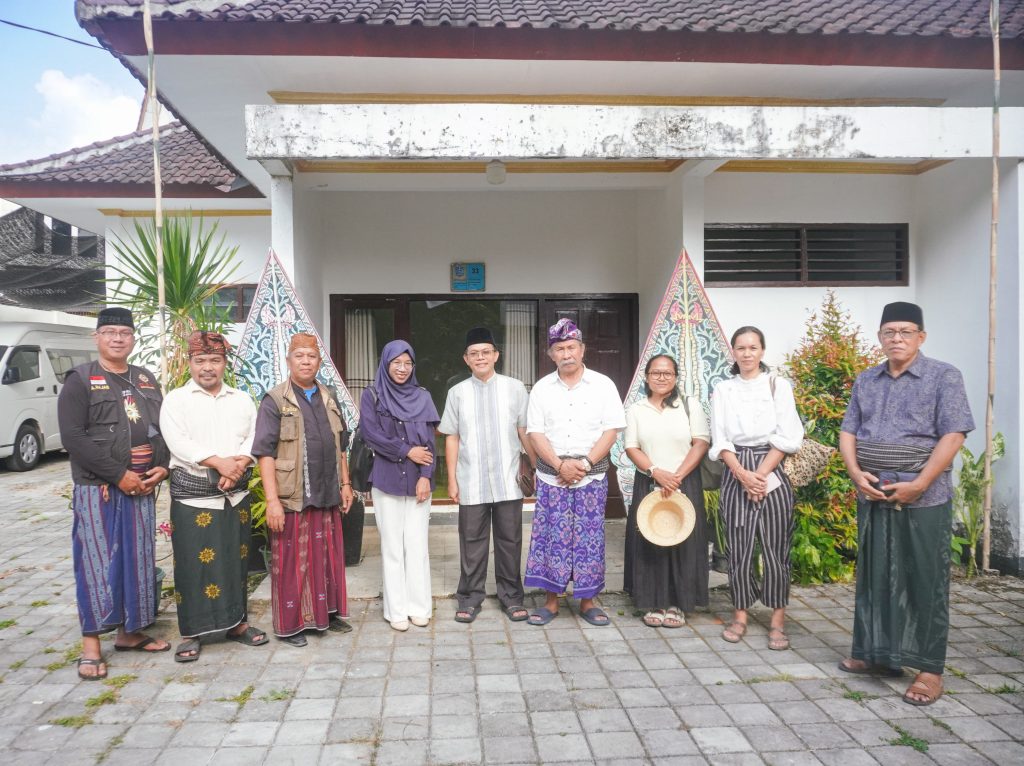
The researchers and Majelis Adat Sasak

Later in the day, the team met with the Majelis Adat Sasak (MAS) or Sasak Traditional Council at their secretariat, engaging in a respectful and open dialogue led by the MAS Chairperson, H. Lalu Sadjim Sastrawan, alongside key council members. The discussion centered on how the Sasak community collectively interprets the heritage, as they emphasized that many of these artifacts are not solely the possessions of the Balinese royals in Mataram but include sacred heirlooms, customary objects, and cultural wealth originating from Sasak villages. Consequently, they voiced a strong aspiration that repatriation and preservation efforts should recognize the Sasak peoples’ historical and cultural rights to these objects. This dialogue broadened the understanding of Lombok’s heritage as a collective legacy.

Overall, the most important outcomes of this first fieldwork was the opportunity to truly absorb the hopes and concerns of the local communities regarding the project. This early engagement helped build trust and establish a collaborative spirit, ensuring that the research respects and amplifies the voices of those most closely connected to the heritage. The insights gained from this initial visit have already begun to influence the project’s direction, highlighting an interdisciplinary approach that values both historical records and living memory. This understanding helps the project to move forward with greater sensitivity and awareness, ensuring that future research and activities truly reflect the voices and experiences of the people who carry these histories forward.


Related Posts

Seminar Registration “Reclaiming Narratives” Now Open

Updates Saturday, 13 June 2026

New Futures for Indonesian Objects will convene a summer seminar from 8 to 16 July 2026 at Universitas Gadjah Mada, Yogyakarta, and in Lombok, West Nusa Tenggara. The programme will bring together consortium partners, external […].

Unpacking Debates on the Return of Indonesian Cultural Objects: Insights from Sadiah Boonstra

Updates Friday, 24 April 2026

The ongoing discourse surrounding the return of cultural objects has become a central concern in Indonesia, especially after the several rounds of recent repatriation from the Netherlands.

Consortium Meeting of 2025: Developing New Programmes in New Futures for Indonesian Objects

Updates Friday, 17 April 2026

The New Futures for Indonesian Objects is an international collaborative initiative dedicated to rethinking the histories, meanings, and future possibilities of Indonesian cultural objects especially the looted objects from the island of Lombok.

New Futures for Indonesian Objects Now Live in Instagram

Updates Saturday, 14 February 2026

We are delighted to announce that our research programme, Exploring New Futures for Indonesian Objects: Dismantling Colonial Knowledge Production and Recovering Lost Histories and Memories, is now live on Instagram.

Social Media

pastfutureheritage.ugm_

📢 Meet the Speakers of “Reclaiming Narratives”! “ 📢 Meet the Speakers of “Reclaiming Narratives”!

“Reclaiming Narratives: Recovering Histories and the South-South Approach to Dismantling Colonial Knowledge”

We’re excited to introduce our speakers for the public seminar, bringing together critical perspectives on memory, restitution, and decolonial approaches across the Global South. Swipe left to meet the speakers!

🗓 9 July 2026
⏱️ 08.30–16.00 WIB
📍 Room S709, Soegondo Building, Faculty of Cultural Sciences, Universitas Gadjah Mada

⚠️ Registration is extended until 25 June 2026!
Secure your seat now:
🔗 bit.ly/reclaimingnarratives2026
📱 Or scan the QR code on the last slide

Visit our website:
🌐 pastfutureheritage.fib.ugm.ac.id

#NewFuturesForIndonesianObjects
#LombokWar
#DecolonizingLombokObjects
#DecolonialFutures
#SejarahUGM
📢 REGISTRATION DEADLINE EXTENDED!!! Public Semina 📢 REGISTRATION DEADLINE EXTENDED!!!

Public Seminar
“Reclaiming Narratives: Recovering Histories and the South-South Approach to Dismantling Colonial Knowledge”

Hear from consortium members and invited speakers as they will explore topics ranging from memory production to the return of Lombok War booty and other cultural objects from Indonesia, Nigeria, and Sri Lanka.

🗓 9 July 2026
⏱️ 08.30-16.00 WIB
📍 Room S709, Soegondo Building, Faculty of Cultural Sciences, Universitas Gadjah Mada

Register now:
🔗 bit.ly/reclaimingnarratives2026
📱 Or scan the QR code on the last slide

🌐 pastfutureheritage.fib.ugm.ac.id

#NewFuturesForIndonesianObjects
#LombokWar
#DecolonizingLombokObjects
#DecolonialFutures
#SejarahUGM
📢 Join the Public Seminar by New Futures for Indon 📢 Join the Public Seminar by New Futures for Indonesian Objects!

“Reclaiming Narratives: Recovering Histories and the South-South Approach to Dismantling Colonial Knowledge”

Hear from consortium members and invited speakers as they will explore topics ranging from memory production to the return of Lombok War booty and other cultural objects from Indonesia, Nigeria, and Sri Lanka.

🗓 9 July 2026
⏱️ 08.30-16.00 WIB
📍 Room S709, Soegondo Building, Faculty of Cultural Sciences, Universitas Gadjah Mada

Register now:
🔗 bit.ly/reclaimingnarratives2026
📱 Or scan the QR code on the last slide

🌐 pastfutureheritage.fib.ugm.ac.id

#NewFuturesForIndonesianObjects
#LombokWar
#DecolonizingLombokObjects
#DecolonialFutures
#SejarahUGM
A recent publication by Aditya Bayu Perdana and Ah A recent publication by Aditya Bayu Perdana and Ahmad Sugeng revisits a painting looted from Cakranegara Palace in 1894, long believed to depict a Mataram prince. More than about one painting, the publication highlights a broader issue, challenging colonial frameworks that have shaped interpretations of looted objects.

Swipe left to get more insight!

Sources: Perdana, Aditya Bayu, and Ahmad Sugeng (2026), “Prince or Pembekel? The Man in the Painting Looted from Cakranegara, Lombok”, in Tijdschrift voor Geschiedenis, 139(1): pp. 4-26.

Image Sources: Leiden University Library & Wereldmuseum

🌐 pastfutureheritage.fib.ugm.ac.id

#NewFuturesForIndonesianObjects
#LombokWar
#DecolonizingLombokObjects
#DecolonialFutures
#SejarahUGM
The return of Lombok objects was not a simple proc The return of Lombok objects was not a simple process. It required careful provenance research, tracing each object to determine what was looted, what was misplaced, and whether it truly originated from Lombok.
Swipe left to learn more about the provenance research.
Sources: (1)Colonial Collections Committee Recommendation, accessed via https://committee.kolonialecollecties.nl/documents/2023/05/12/indonesia.
(2) Tom Quist, “War loot from Lombok (1894) in the collections of NMVW and the Wereldmuseum”, published as an appendix in Colonial Collections Committee Recommendation, accessed via https://committee.kolonialecollecties.nl/documents/2023/05/12/indonesia.

#NewFuturesForIndonesianObjects
#LombokWar #DecolonizingLombokObjects
#DecolonialFutures
#SejarahUGM
The return of Lombok objects was not a simple proc The return of Lombok objects was not a simple process. It required careful provenance research, tracing each object to determine what was looted, what was misplaced, and whether it truly originated from Lombok.
Swipe left to learn more about the provenance research.
Sources: (1)Colonial Collections Committee Recommendation, accessed via https://committee.kolonialecollecties.nl/documents/2023/05/12/indonesia.
(2) Tom Quist, “War loot from Lombok (1894) in the collections of NMVW and the Wereldmuseum”, published as an appendix in Colonial Collections Committee Recommendation, accessed via https://committee.kolonialecollecties.nl/documents/2023/05/12/indonesia.

#NewFuturesForIndonesianObjects
#LombokWar #DecolonizingLombokObjects
#DecolonialFutures
#SejarahUGM
The return of Lombok objects was not a simple proc The return of Lombok objects was not a simple process. It required careful provenance research, tracing each object to determine what was looted, what was misplaced, and whether it truly originated from Lombok.

Swipe left to learn more about the provenance research.

Sources: 
(1) Colonial Collections Committee Recommendation, accessed via https://committee.kolonialecollecties.nl/documents/2023/05/12/indonesia.
(2) Tom Quist, “War loot from Lombok (1894) in the collections of NMVW and the Wereldmuseum”, published as an appendix in Colonial Collections Committee Recommendation, accessed via https://committee.kolonialecollecties.nl/documents/2023/05/12/indonesia.

#NewFuturesForIndonesianObjects
#LombokWar #DecolonizingLombokObjects
#DecolonialFutures
#SejarahUGM
The terminology we use to called the cultural obje The terminology we use to called the cultural objects, historical events, and their return processes shapes the way we understand history itself. 

Through the Consortium Lab with Dr. Sadiah Boonstra (@sadiahcurates), “New Futures for Indonesian Objects” reflected on the meanings behind terms related to the war of 1894 in Lombok, the transfer of cultural objects, and also the objects itself. 

Swipe left for more insight!
🌐 pastfutureheritage.fib.ugm.ac.id

Sources: Rassool, C., & Gibbon, V. E. (2023). "Restitution versus repatriation: Terminology and concepts matter". American Journal of Biological Anthropology, 184(1). Accessed via https://doi.org/10.1002/ajpa.24889. 

#NewFuturesForIndonesianObjects
#LombokWar 
#DecolonizingLombokObjects
#DecolonialFutures
#SejarahUGM
"New Futures for Indonesian Objects" introduces th "New Futures for Indonesian Objects" introduces the Consortium Lab, a monthly discussion forum that creates space for dialogue, reflection, and knowledge exchange on cultural objects. Bringing together consortium members and invited speakers, the Consortium Lab explores diverse perspectives to better understand both the Lombok objects and other cultural objects.

Stay tuned to get more information on our Consortium Lab!
🌐 pastfutureheritage.fib.ugm.ac.id

Image source: Research Documentation

#NewFuturesForIndonesianObjects
#LombokWar
#DecolonizingLombokObjects
#DecolonialFutures
#SejarahUGM
The return of Indonesian cultural objects continue The return of Indonesian cultural objects continues to raise important questions about history, justice, and cultural meaning. 

Based on Dr. Sadiah Boonstra’s work, the return is not just about bringing objects back to Indonesia, but about understanding the long and complex process of debates and negotiations behind the transfer of the objects. Swipe left to gain insights from Dr. Sadiah Boonstra!

🌐 pastfutureheritage.fib.ugm.ac.id

#NewFuturesForIndonesianObjects
#LombokWar
#DecolonizingLombokObjects
#DecolonialFutures
#SejarahUGM
"New Futures for Indonesian Objects” is committed "New Futures for Indonesian Objects” is committed to fostering collaborative research that rethinks and decolonizes knowledge about Indonesian cultural objects. 

In 2025, the consortium held its annual meeting to reflect on the first year of collaboration and to plan future initiatives. From internal consortium labs to upcoming summer seminars, the programme continues to grow as a space for critical dialogue and shared learning.

Swipe left to explore the key discussions and future programmes of the consortium!

🌐 pastfutureheritage.fib.ugm.ac.id
Image source: Research Documentation, Hizkirani Jatiningrum, S.IP & Ayu Wulandari, M.A.

#NewFuturesForIndonesianObjects
#LombokWar1894
#DecolonizingLombokObjects
#DecolonialFutures
#SejarahUGM
“New Futures for Indonesian Objects" is committed “New Futures for Indonesian Objects" is committed to nurturing scholars dedicated to decolonizing knowledge about Indonesian objects. 

Our PhD researcher, Ayu Wulandari, M.A., follows this path by uncovering local knowledge and memories connected to the looted objects from Lombok.

Swipe left to explore her ideas and the progress of her research!

🌐 pastfutureheritage.fib.ugm.ac.id

Image source: Personal and research documentation, Hizkirani Jatiningrum, S.IP & Ayu Wulandari, M.A.

#NewFuturesForIndonesianObjects
#LombokWar
#DecolonizingLombokObjects
#DecolonialFutures
#SejarahUGM
Follow on Instagram

Recent Posts

  • Seminar Registration “Reclaiming Narratives” Now Open
    June 13, 2026
  • Unpacking Debates on the Return of Indonesian Cultural Objects: Insights from Sadiah Boonstra
    April 24, 2026
  • Consortium Meeting of 2025: Developing New Programmes in New Futures for Indonesian Objects
    April 17, 2026
Universitas Gadjah Mada

EXPLORING NEW FUTURES FOR INDONESIAN OBJECTS
DISMANTLING COLONIAL KNOWLEDGE PRODUCTION AND RECOVERING LOST HISTORIES AND MEMORIES

Contact Uspastfutureheritage.fib.ugm@gmail.com

© 2025 New Futures for Indonesian Objects